Designing Effective Blended Learning Experiences for Students
The rise of technology has transformed the way we live, work, and learn. With the current pandemic forcing schools and universities to shift to online learning, the adoption of blended learning has become an essential and effective approach to education. This hybrid learning style combines traditional face-to-face classroom instruction with online learning, providing students with a flexible and well-rounded learning experience. However, designing effective blended learning experiences for students requires careful planning and consideration. In this article, we will discuss the key elements of designing effective blended learning experiences for students.
Understanding Blended Learning
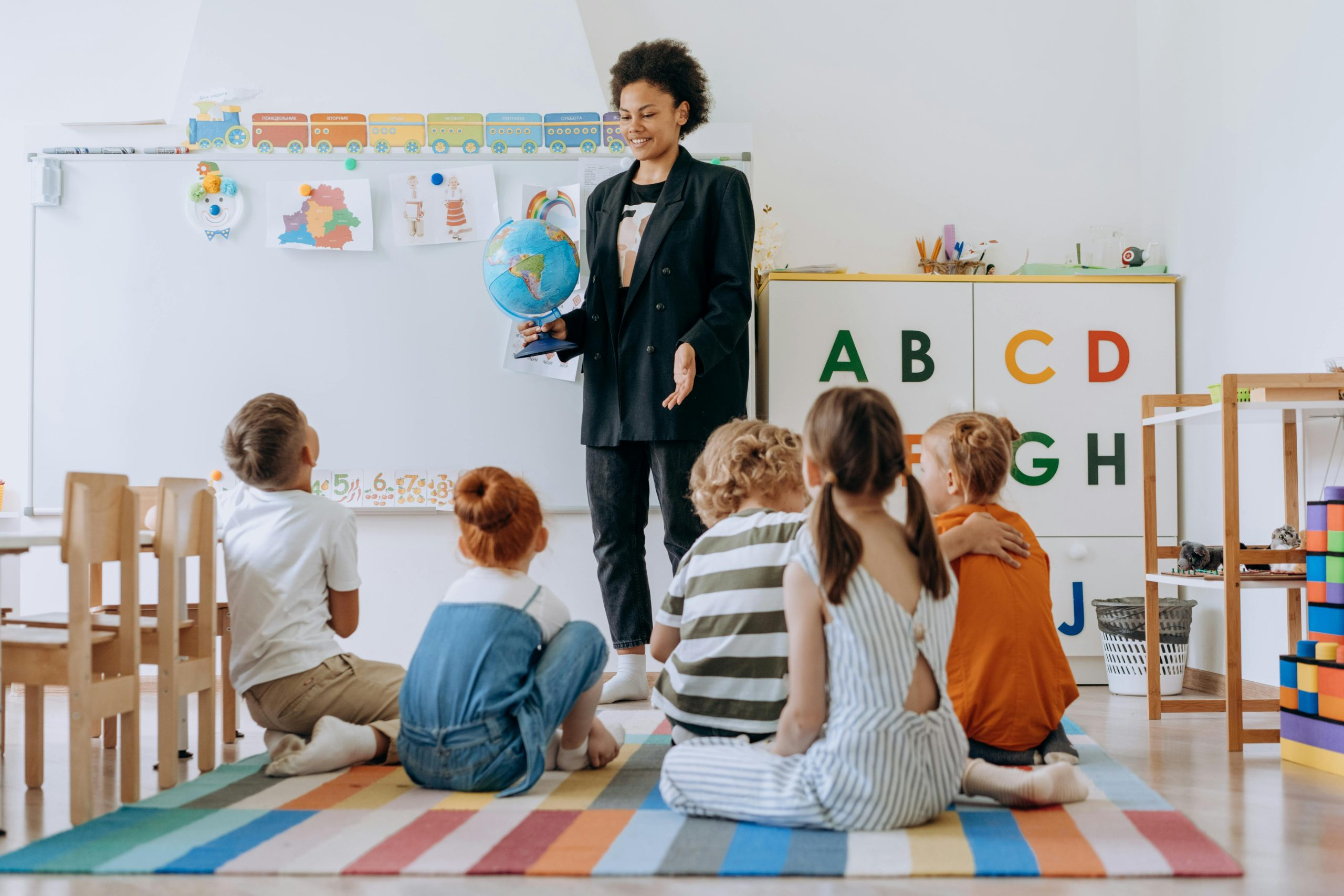
Blended learning combines the best of both worlds by incorporating face-to-face and online learning methods. It aims to engage students by providing a mix of traditional classroom instruction and digital resources. In a blended learning environment, students have the freedom to access course materials, assignments, and other resources online, while still having the opportunity to interact with their teachers and fellow students in-person.
Benefits of Blended Learning
The benefits of blended learning are plenty. First and foremost, it offers flexibility to both students and teachers. Students can work at their own pace and have access to course materials 24/7, while teachers can deliver personalized instruction and provide timely feedback. Additionally, blended learning promotes independence and self-directed learning, improving students’ critical thinking and problem-solving skills. It also caters to different learning styles, making the learning experience more engaging and effective.
Designing Effective Blended Learning Experiences
Designing effective blended learning experiences requires careful planning and a clear understanding of the students’ needs. Here are some key elements to consider:
1. Clear Learning Objectives
Setting clear learning objectives is crucial in designing blended learning experiences. As with any teaching method, it is essential to have a clear understanding of what students should be able to achieve at the end of the course. This will help in selecting the right digital tools and resources and designing appropriate activities to meet those objectives.
2. Engaging Course Content
The success of blended learning heavily relies on the quality of the course content. It is essential to use a variety of resources, such as videos, podcasts, interactive activities, and simulations, to keep students engaged and motivated to learn. The content should also be easily accessible and visually appealing.
3. Seamless Integration of Online and In-Person Components
When designing a blended learning course, it is crucial to ensure a seamless integration of online and in-person components. The activities and content should complement each other, and students should be able to move smoothly between the two modes of learning. This will create a cohesive learning experience and avoid any confusion or disruptions.
4. Effective Assessment Strategies
Assessment is an essential component of any learning experience. In a blended learning environment, it is crucial to use a mix of formative and summative assessments to gauge students’ understanding. Digital tools like online quizzes, polls, and interactive assignments can provide immediate feedback and help track students’ progress.
5. Regular Communication and Support
Communication and support play a vital role in the success of blended learning. Teachers should regularly communicate with students through virtual office hours, discussion forums, and emails. It is also essential to provide technical support to students who may face challenges with the digital tools.
In Conclusion
In conclusion, designing effective blended learning experiences requires careful consideration of various factors, such as learning objectives, course content, integration of online and in-person components, assessment strategies, and communication and support. By leveraging the benefits of both traditional and digital learning methods, blended learning can create a dynamic and engaging learning experience for students.