Mastering the Technique of Making Perfect Homemade Ice Cream
Welcome to the world of homemade ice cream! There’s something truly special about making your own creamy, refreshing treat on a hot summer day. However, as delicious as it is, making perfect homemade ice cream can be a bit of a challenge. If you’ve tried and failed before, don’t give up just yet. With the right techniques and tips, you can become a master at making delicious homemade ice cream that will have your friends and family begging for more. In this article, we’ll dive into the key techniques that will take your homemade ice cream game to the next level. Get ready to impress with your perfect scoop of ice cream! 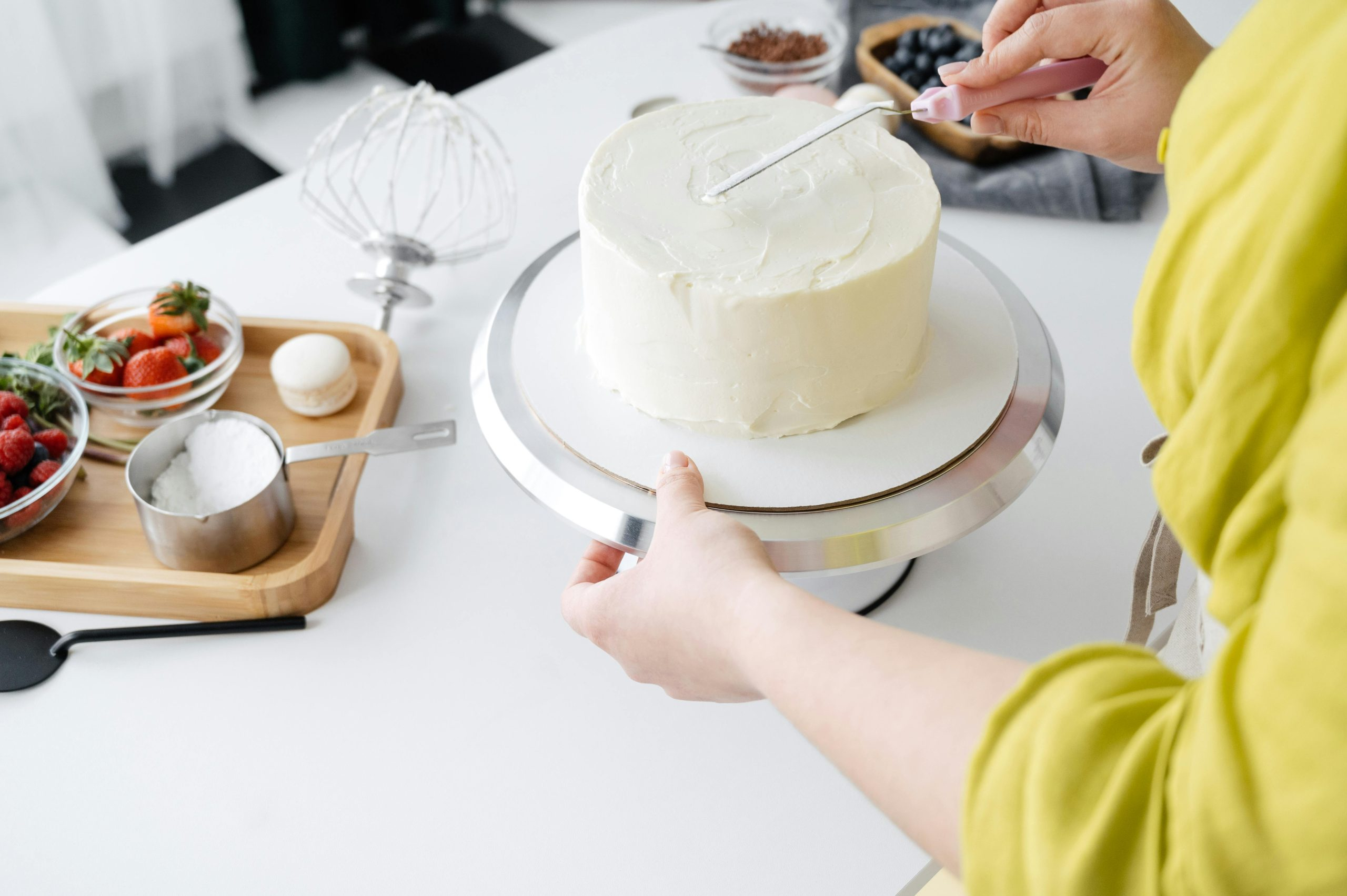
The Importance of Quality Ingredients
As with any recipe, the key to making delicious homemade ice cream lies in using high-quality ingredients. You want your ice cream to taste fresh and flavorful, so it’s important to invest in quality products. This means using fresh dairy products, such as whole milk and heavy cream, and using real vanilla extract instead of artificial flavorings. Don’t skimp on the ingredients, as they will greatly impact the taste and texture of your homemade ice cream.
Choosing the Right Equipment
In addition to quality ingredients, having the right equipment is crucial when it comes to making perfect homemade ice cream. While it may be tempting to use a hand mixer or a food processor, investing in an ice cream maker is worth it in the long run. An ice cream maker will ensure that your ice cream is churned properly, resulting in a smoother, creamier texture. You can opt for a traditional hand-cranked ice cream maker or a modern electric one – either one will give you great results.
The Perfect Base: Custard or No-Cook?
There are two main methods for making a base for homemade ice cream – custard and no-cook. A custard base involves cooking eggs and cream to create a rich and creamy mixture, while a no-cook base involves using a pre-made custard or a combination of heavy cream and condensed milk. Both methods have their own benefits, so it’s up to personal preference. If you want a traditional, creamy ice cream, go for the custard base. If you want a quick and easy recipe with a smoother texture, opt for the no-cook method.
Chilling the Base
Once you’ve prepared your base, it’s important to chill it properly before churning. The mixture needs to be cold before churning, as it will help create a smooth and creamy texture. If you’re using a custard base, you’ll need to chill it in the fridge for at least 4 hours, or preferably overnight. For a no-cook base, simply chill it for 1-2 hours before churning. Additionally, make sure to chill your ice cream maker and the churner attachment to ensure that your ice cream freezes evenly.
The Art of Churning
Churning is the process of mixing air into the base while it freezes, resulting in a light and airy texture. It’s important to follow the manufacturer’s instructions for your specific ice cream maker, as different machines may have different churning times. Generally, the churning process can take anywhere from 20-45 minutes. It’s important to keep an eye on the mixture and stop the churning process once the mixture is thick and creamy.
Adding Mix-ins
One of the best parts of making homemade ice cream is the ability to get creative with mix-ins. From fresh fruits to cookies and candies, you can add almost anything to your ice cream for a burst of flavor and texture. However, it’s important to add your mix-ins at the right time. If you add them too early, they may sink to the bottom, and if you add them too late, they may not incorporate properly. A good rule of thumb is to add them in the last few minutes of churning to evenly distribute them throughout the ice cream.
Freezing and Storing Your Homemade Ice Cream
Once you’ve churned your ice cream to perfection, it’s important to freeze it properly to maintain its texture and flavor. Transfer the ice cream to a freezer-safe container and cover it with plastic wrap, pressing it against the surface to prevent ice crystals from forming. Seal the container with a lid and freeze for at least 4 hours before serving. It’s also important to note that homemade ice cream doesn’t contain preservatives, so it’s best to consume it within a week.
Mastering the Technique of Making Perfect Homemade Ice Cream
Making perfect homemade ice cream takes practice, but with these tips and techniques, you’ll be well on your way to becoming an ice cream making pro. Don’t be afraid to experiment with different flavors and mix-ins to create your own unique recipes. With quality ingredients, the right equipment, and a little bit of patience, you’ll be enjoying your own delicious homemade ice cream in no time. So, what are you waiting for? Get your ice cream maker ready and start mastering the technique of making perfect homemade ice cream!