Innovative Uses of Blockchain Beyond Digital Currency
The world of blockchain technology has seen exponential growth since its inception in 2008. Initially known for its role in powering digital currencies such as Bitcoin, blockchain has now expanded its reach beyond just monetary transactions. Today, this decentralized and transparent technology has found innovative uses in various industries, offering solutions to complex problems and disrupting traditional business practices. In this article, we will explore some of the most innovative uses of blockchain beyond digital currency.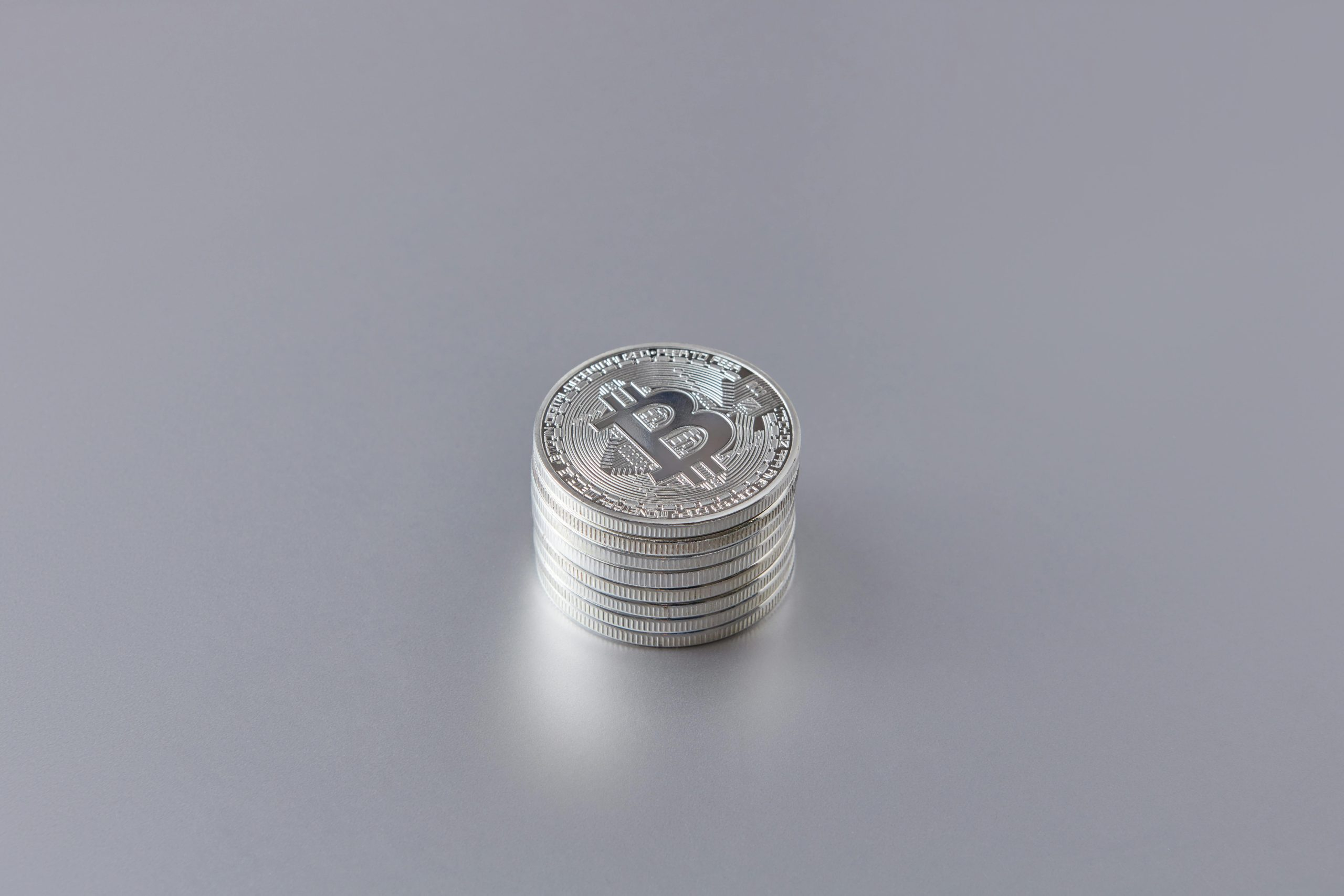
The Rise of Blockchain Technology
Before diving into the innovative uses of blockchain, let’s first understand what exactly it is. At its core, blockchain is a distributed ledger technology that allows for secure and transparent recording and tracking of data. This means that every transaction or data entry is recorded and stored on a network of computers, making it nearly impossible to alter or manipulate.
The rise of blockchain technology can be attributed to its ability to provide trust and security in a decentralized manner. As traditional systems often rely on central authorities, blockchain eliminates the need for middlemen, making processes more efficient and cost-effective. This has opened up a world of possibilities, leading to the emerging use cases of blockchain beyond digital currency.
Blockchain in Supply Chain Management
The supply chain industry has long been plagued with issues such as lack of transparency, counterfeiting, and inefficiencies. Blockchain technology offers a solution to these problems by providing a secure and transparent system for tracking goods and supply chain processes. This not only reduces the chances of counterfeit goods but also improves traceability and accountability in the supply chain, making it easier to detect and prevent fraud and errors.
One of the most significant examples of blockchain in supply chain management is the partnership between retail giant Walmart and IBM. By implementing a blockchain-based system, the companies were able to trace the origin of mangoes in just a few seconds, compared to the weeks it typically takes with traditional methods. This not only improves food safety for consumers but also reduces the time and effort spent on supply chain management.
Blockchain in Healthcare
The healthcare industry is another sector that can significantly benefit from the implementation of blockchain technology. With sensitive patient data being stored and shared among various healthcare providers, there is a growing concern for data privacy and security. Blockchain-based systems can provide a secure and transparent way to store and share patient data, while still allowing for easy access when needed.
Furthermore, blockchain can also play a crucial role in clinical trial management. By using smart contracts, which are self-executing contracts with the terms of the agreement between buyer and seller being directly written into lines of code, companies can improve the efficiency and transparency of clinical trials. This not only speeds up the process but also reduces the chances of fraud and misconduct.
Blockchain in Social Impact
Apart from business solutions, blockchain technology is also being used for social good. One of the most notable uses is in providing aid to refugees and the unbanked population. By providing a decentralized system, blockchain can ensure that donations and aid reach the intended recipients without any interference or fraud. This has the potential to make a significant impact in areas affected by war, poverty, and other humanitarian crises.
Additionally, blockchain can also empower the unbanked population by providing them with a secure and cost-effective alternative to traditional banking. This can improve financial inclusion and economic opportunities for those who lack access to banks.
In Conclusion
As we can see, blockchain technology has moved far beyond its initial use in digital currencies. With its ability to provide transparent and efficient solutions, it has the potential to disrupt traditional industries and bring about significant changes. We have only scratched the surface of the potential of blockchain, and it will be fascinating to see how this technology continues to evolve and shape the world we live in.