The Importance of Arts Integration in Primary Education
The world of education is constantly evolving, and as educators, we must adapt to the changing needs and interests of our students. In recent years, there has been a growing emphasis on incorporating the arts into primary education. From music and drama to visual arts and dance, arts integration has become increasingly popular in classrooms across the globe. But what exactly is arts integration and why is it so important for the development of young learners? In this article, we will delve into the many benefits of arts integration in primary education and why it should not be overlooked in the curriculum.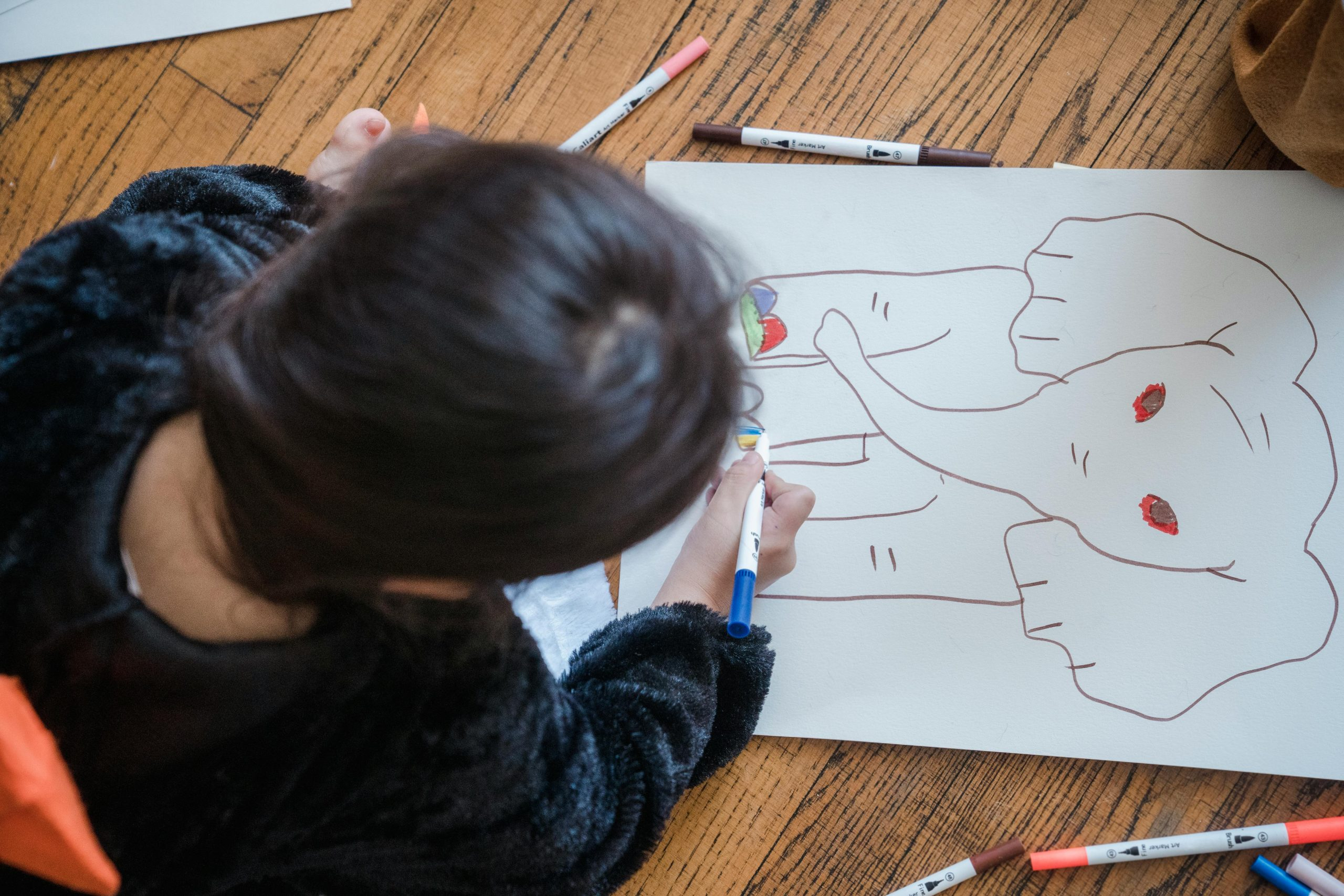
The Definition of Arts Integration
Before we discuss the importance of arts integration, it is crucial to understand what it means. Arts integration refers to the practice of incorporating various forms of art, such as music, visual arts, theater, and dance, into traditional subjects like math, science, and language arts. Rather than teaching arts as a stand-alone subject, it is intertwined and integrated into the curriculum, allowing students to explore and learn in a more creative and engaging manner.
The Benefits of Arts Integration
1. Encourages Creativity and Imagination
One of the greatest benefits of arts integration in primary education is that it encourages creativity and inspires imagination in students. By incorporating different art forms into everyday lessons, students are given the opportunity to think outside the box and express themselves creatively. This not only enhances their artistic abilities but also promotes critical thinking and problem-solving skills.
2. Enhances Understanding and Retention of Concepts
Studies have shown that incorporating arts into core subjects helps students to better understand and retain information. For example, learning about geometric shapes through creating art allows students to visualize and apply their knowledge, making it more meaningful and memorable. This approach also caters to different learning styles, ensuring that all students are able to grasp the concepts being taught.
3. Promotes Collaboration and Communication
In a world where teamwork and communication skills are highly valued, arts integration activities provide an excellent platform for students to work together and communicate effectively. When creating and performing together, students learn to listen, share ideas, and collaborate to achieve a common goal. These skills are not only useful in the classroom but also in everyday life and future careers.
4. Boosts Confidence and Self-Expression
The arts have a way of boosting confidence and allowing students to express themselves in ways they may not be able to in traditional classroom settings. For students who may struggle academically, arts integration provides an alternate means of showcasing their skills and talents. This, in turn, boosts their self-esteem and encourages them to continue learning and exploring.
Implementing Arts Integration in Primary Education
Integrating the arts into the curriculum may seem daunting for some teachers, but it does not have to be. Here are a few ways to incorporate arts into your lessons:
1. Use Art as a Visual Aid
Incorporate images, paintings, or sculptures into lessons to make them more dynamic and visually appealing. This will also help students to make connections and better understand the concepts being taught.
2. Create Art Projects Based on Lessons
Allow students to create art projects related to the lessons they are learning. For example, after learning about different habitats, students can create dioramas or collages depicting their chosen habitat.
3. Use Music to Teach Concepts
Music is a powerful tool for teaching and retaining concepts. Consider using songs or creating raps to help students remember important information.
Conclusion
In conclusion, arts integration in primary education is crucial in promoting creativity, critical thinking, and collaboration in students. By incorporating arts into traditional subjects, we are not only enhancing their understanding of concepts but also fostering essential skills for their future success. It is time for us to embrace arts integration and recognize its importance in shaping well-rounded and imaginative young learners.