Creating a Functional and Ergonomic Kitchen Design
Welcome to the heart of the home – the kitchen. Designing a functional and ergonomic kitchen is essential for a smooth and seamless cooking and dining experience. A well-designed kitchen not only looks aesthetically pleasing but also makes everyday tasks easier and more efficient. From storage and layout to lighting and appliances, each element plays a crucial role in creating a kitchen that is both functional and comfortable to work in. In this article, we will explore the key points to consider when designing a functional and ergonomic kitchen.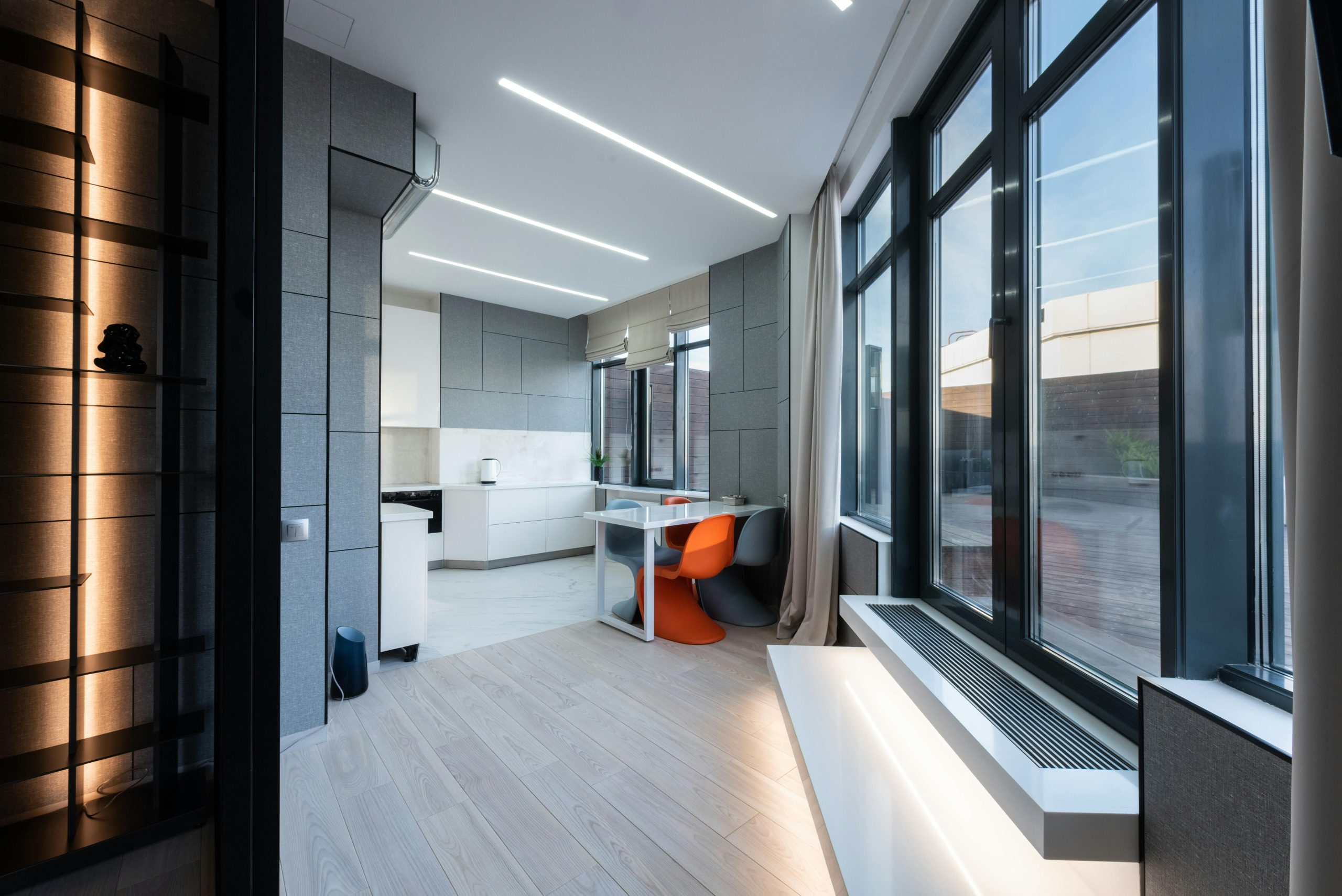
The Importance of a Functional Kitchen Design
A functional kitchen design is one that maximizes the use of space and allows for a smooth flow of movement. It takes into consideration the needs and habits of the people using the kitchen and tailors the design accordingly. A well-designed kitchen not only makes cooking and cleaning easier, but it also adds value to your home. Whether you have a small or large kitchen, functionality should be the top priority when designing or renovating it.
Consider Your Kitchen Layout
The layout of your kitchen is crucial in determining its functionality. The three most common kitchen layouts are U-shaped, L-shaped, and galley. U-shaped kitchens are ideal for large families or avid cooks as they provide plenty of storage and counter space. L-shaped kitchens are perfect for smaller spaces and allow for an open flow, while galley kitchens are a great option for narrow spaces and provide a functional work triangle. Whichever layout you choose, be sure to keep the work triangle in mind – this involves placing the sink, refrigerator, and stove in a triangular formation to create an efficient workspace.
Optimize Your Storage Space
Storage is a key factor in creating a functional kitchen. A cluttered and disorganized kitchen can make even the simplest tasks seem overwhelming. To optimize storage space, consider incorporating cabinets that go all the way up to the ceiling, pull-out pantry shelves, and wall-mounted racks for frequently used items. Utilizing vertical space and incorporating clever storage solutions, such as pull-out drawers, can greatly improve the functionality of your kitchen.
Pay Attention to Lighting
Lighting plays a crucial role in creating a functional and comfortable kitchen. A well-lit kitchen not only makes working easier but also creates a welcoming atmosphere. Consider incorporating a mix of ambient, task, and accent lighting in your kitchen. Ambient lighting provides overall illumination, task lighting focuses on specific areas where work is done, and accent lighting adds visual interest and highlights certain features. Installing dimmer switches can also allow for adjustable lighting according to your needs.
Choose the Right Appliances
When designing a functional kitchen, it’s important to choose appliances that not only fit your cooking needs but also blend in with the overall design. Consider the size of your kitchen and the layout when selecting appliances. If you have a small kitchen, opt for compact appliances to maximize space. Also, consider the placement of the appliances – for example, placing the dishwasher near the sink and the oven near the pull-out pantry shelves can make cooking and cleaning more efficient.
Ergonomic Considerations
Ergonomics is the study of designing environments and products that fit the people who use them. When it comes to kitchen design, it’s important to consider ergonomics to ensure a comfortable workspace. This includes positioning the sink, stove, and refrigerator at appropriate heights, choosing the right height and depth for countertops, and incorporating user-friendly features, such as pull-out shelves and adjustable cabinets. These small considerations can greatly improve the functionality and comfort of your kitchen.
Conclusion
The kitchen is the heart of the home and designing a functional and ergonomic kitchen can greatly enhance your cooking and dining experience. Consider the layout, storage, lighting, appliances, and ergonomics when planning your kitchen design. With proper planning and attention to detail, you can create a kitchen that is both aesthetically pleasing and functional, making everyday tasks easier and more enjoyable.