Analyzing the Global Influence of the US Dollar
Welcome to the world of international finance, where currencies are the key players in determining economic growth and stability. Among these currencies, the US dollar stands out as one of the most influential and widely accepted forms of money. The greenback, as it is often called, is the primary currency in the global market and plays a crucial role in shaping the financial landscape of the world. In this article, we will take a closer look at the global influence of the US dollar, analyzing its impact on international trade, investments, and overall economic stability. So buckle up and let’s dive into the world of the mighty US dollar.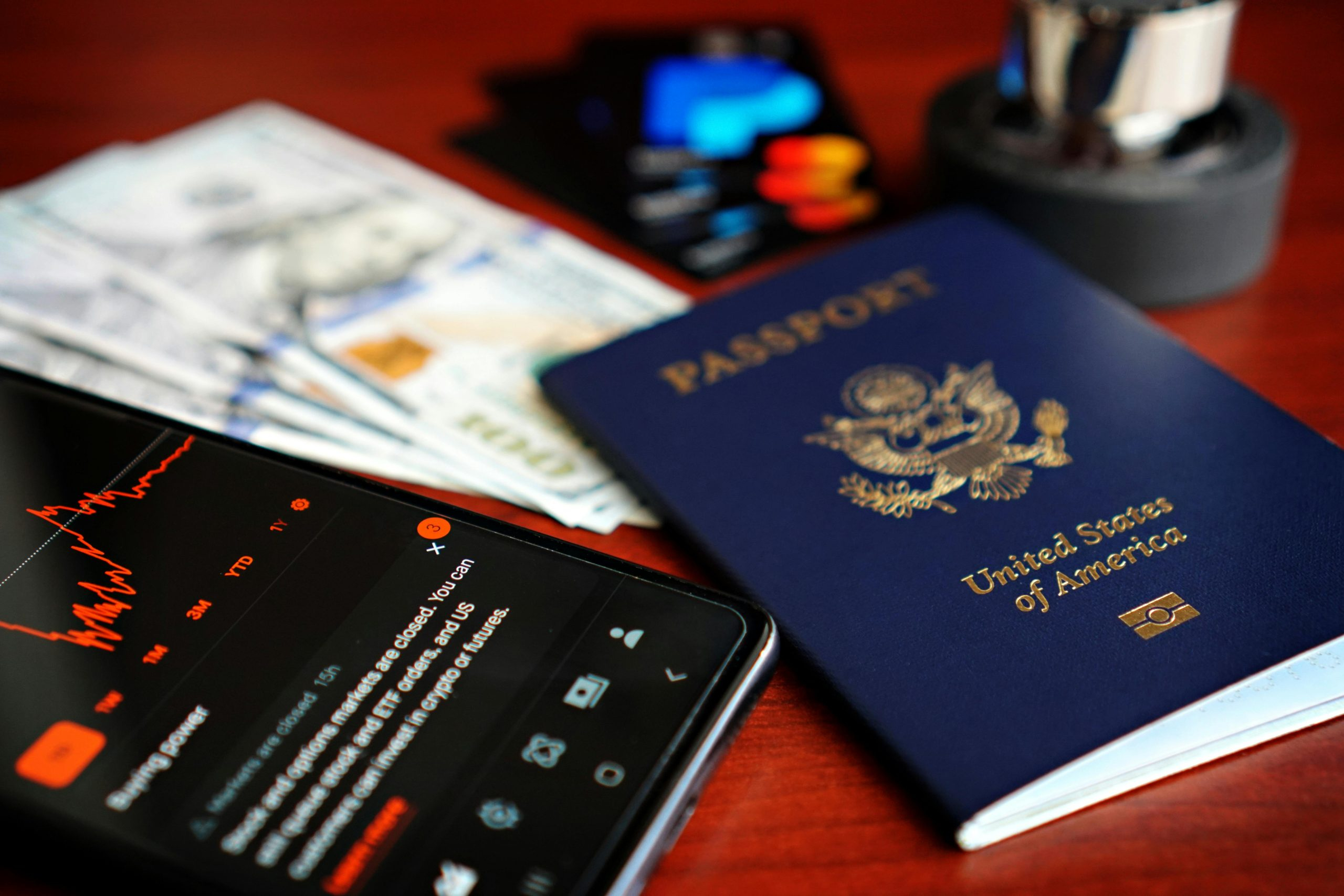
The Role of the US Dollar in International Trade
The US dollar has been the standard currency for international trade for decades, with most commodities and services being priced and paid for in dollars. This preference for the greenback can be traced back to the Bretton Woods Agreement of 1944, which established the US dollar as the global reserve currency. This meant that all other countries would have to maintain a fixed exchange rate against the dollar, making it the most stable and secure currency for international transactions.
This arrangement has remained largely unchanged, despite the demise of the Bretton Woods system in the 1970s. Today, the US dollar is still the most widely used currency for cross-border transactions, accounting for almost 40% of global trade in goods and services. This is due to the stability and liquidity of the dollar, making it the preferred currency for conducting business across borders.
The US Dollar as a Safe Haven Currency
The US dollar is also considered a safe haven currency, meaning that investors flock to it during times of economic uncertainty. This has been evident during the recent global financial crisis and the ongoing COVID-19 pandemic, where the demand for dollars increased significantly. This is because the dollar is seen as a stable and reliable currency, providing a safe haven for investors during times of market volatility.
In addition, the US dollar is also the currency of choice for central banks and other financial institutions when diversifying their foreign exchange reserves. This further reinforces the idea of the dollar as a safe haven currency, as central banks hold large amounts of dollars to ensure stability in their own economies.
The Impact of the US Dollar on Global Investments
The strength of the US dollar also has a significant impact on global investments. When the dollar is strong, it becomes more expensive for other countries to borrow in dollars, as they need to exchange their own currency for dollars to do so. This can lead to a decrease in foreign investment, which can have a negative impact on the economies of these countries.
On the other hand, a weaker dollar can make it more affordable for countries to borrow in dollars, thereby increasing foreign investment. This can have a positive impact on the economies of these countries, leading to economic growth and stability.
The Role of US Dollar in Global Economic Stability
The global influence of the US dollar also extends to its impact on the stability of the global economy. As the primary reserve currency, the US dollar is used to settle international accounts and facilitate trade and investment. This means that any fluctuations in the value of the dollar can have ripple effects on economies around the world.
For example, a stronger dollar can lower the purchasing power of other currencies, making it more difficult for countries to pay off their debts and negatively affecting their economic growth. On the other hand, a weaker dollar can boost the economies of other countries by making their exports more competitive in the global market.
Conclusion
In conclusion, the US dollar plays a crucial role in the global economy, influencing international trade, investments, and economic stability. Its status as the global reserve currency and its reputation as a safe haven for investors make it a dominant force in the world of finance. However, its impact on the global economy is not without its challenges, as fluctuations in its value can have widespread effects on other currencies and economies. As we move forward, it will be interesting to see how the US dollar continues to shape the global financial landscape and how its influence may evolve in the future.