Creating Inclusive Classrooms for Students with Diverse Needs
Welcome to today’s classroom, where diversity is the new norm. In today’s world, classrooms are increasingly becoming more diverse, with students from different cultures, races, abilities, and socioeconomic backgrounds. As educators, it is crucial to create a learning environment that embraces this diversity and supports students with diverse needs. In this article, we will explore the importance of inclusive classrooms and provide practical tips on how to create them for students with diverse needs.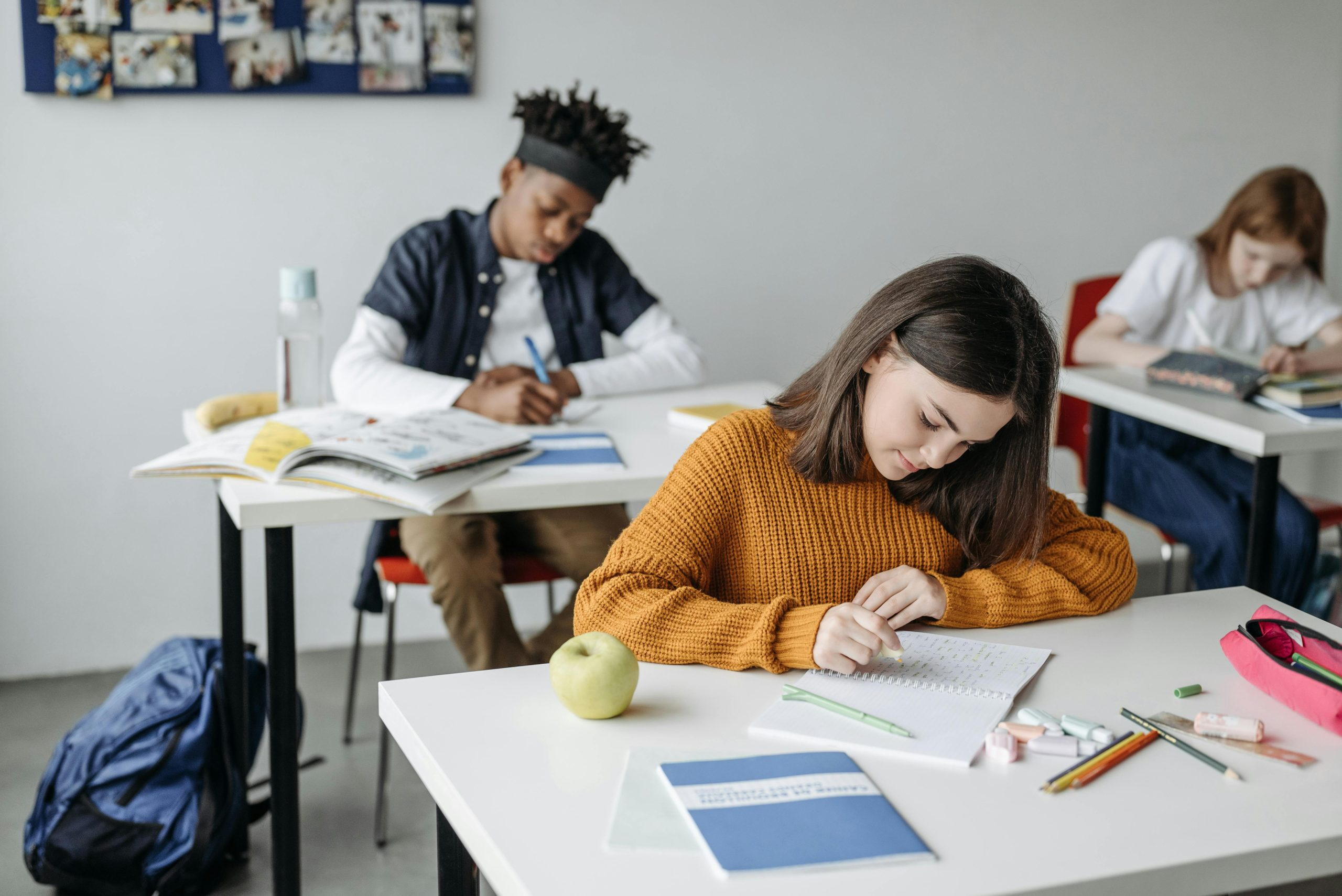
Understanding Inclusive Classrooms
An inclusive classroom is a learning environment where every student feels valued, respected, and supported. It is a place where students with diverse cultural, linguistic, and cognitive backgrounds can learn and grow together. Inclusive classrooms create a sense of belonging for all students, regardless of their differences.
Inclusive classrooms also provide equal opportunities for all students to participate in classroom activities and learning experiences. It promotes a culture of empathy and understanding, creating a safe and welcoming space for students to express themselves and engage with their peers.
The Importance of Inclusive Classrooms for Students with Diverse Needs
Inclusive classrooms are essential for students with diverse needs as they guarantee equitable access to education. Inclusive education is a fundamental human right, according to the United Nations Convention on the Rights of Persons with Disabilities. It promotes the idea that all students, including those with disabilities and special needs, have the right to access quality education in regular classrooms.
By creating an inclusive classroom, teachers can support students with diverse needs in their academic, social, and emotional development. It also helps to break down stereotypes, reduce bullying, and foster positive attitudes towards individuals with diverse needs. When students with diverse needs are included in regular classrooms, they are more likely to feel a sense of belonging, which has a significant impact on their well-being and academic performance.
Tips for Creating Inclusive Classrooms for Students with Diverse Needs
Understand Each Student’s Needs
The first step in creating an inclusive classroom is to understand the unique needs of each student. Every student is different and may need different accommodations and support. It is important to work closely with families, caregivers, and other professionals to gain a better understanding of each student’s strengths, challenges, and learning styles.
Provide Differentiated Instruction
Teachers in inclusive classrooms must provide differentiated instruction to meet the diverse needs of their students. This means designing lessons and activities that are accessible and challenging for all students. This can be achieved by using a variety of teaching strategies, such as visual aids, hands-on activities, and peer-to-peer learning.
Promote Inclusion and Acceptance
Inclusive classrooms foster a culture of inclusion and acceptance among students. Teachers can promote this by incorporating diversity and inclusion into their curriculum. This can be done through inclusive literature, celebrating different cultural holidays, and creating opportunities for students to share and learn about each other’s cultures.
Create a Safe and Supportive Environment
A safe and supportive environment is crucial for any inclusive classroom. Teachers must establish clear rules and expectations to promote positive behavior and prevent bullying. They should also encourage open communication, empathy, and respect among their students.
Provide Necessary Accommodations and Support
Finally, teachers in inclusive classrooms must provide necessary accommodations and support to students with diverse needs. This may include assistive technology, individualized education plans (IEPs), and one-on-one support. By addressing the specific needs of each student, teachers can ensure that all students can thrive in the classroom.
Conclusion
Inclusive classrooms are essential for creating a positive learning environment for students with diverse needs. By understanding the importance of inclusion and implementing practical strategies, teachers can create an inclusive classroom that supports the academic, social, and emotional development of all students. Let’s work together to create a more inclusive and accepting world, starting with our classrooms.