Effective Techniques for Managing Classroom Behavior Positively
In today’s classrooms, managing behavior can be a challenging task. With so many distractions and external influences, it is becoming increasingly difficult for educators to maintain a positive learning environment. However, by implementing effective techniques for managing classroom behavior, teachers can create a more conducive and engaging classroom atmosphere. In this article, we will explore some proven strategies that can help teachers effectively manage classroom behavior and promote a positive learning experience for their students.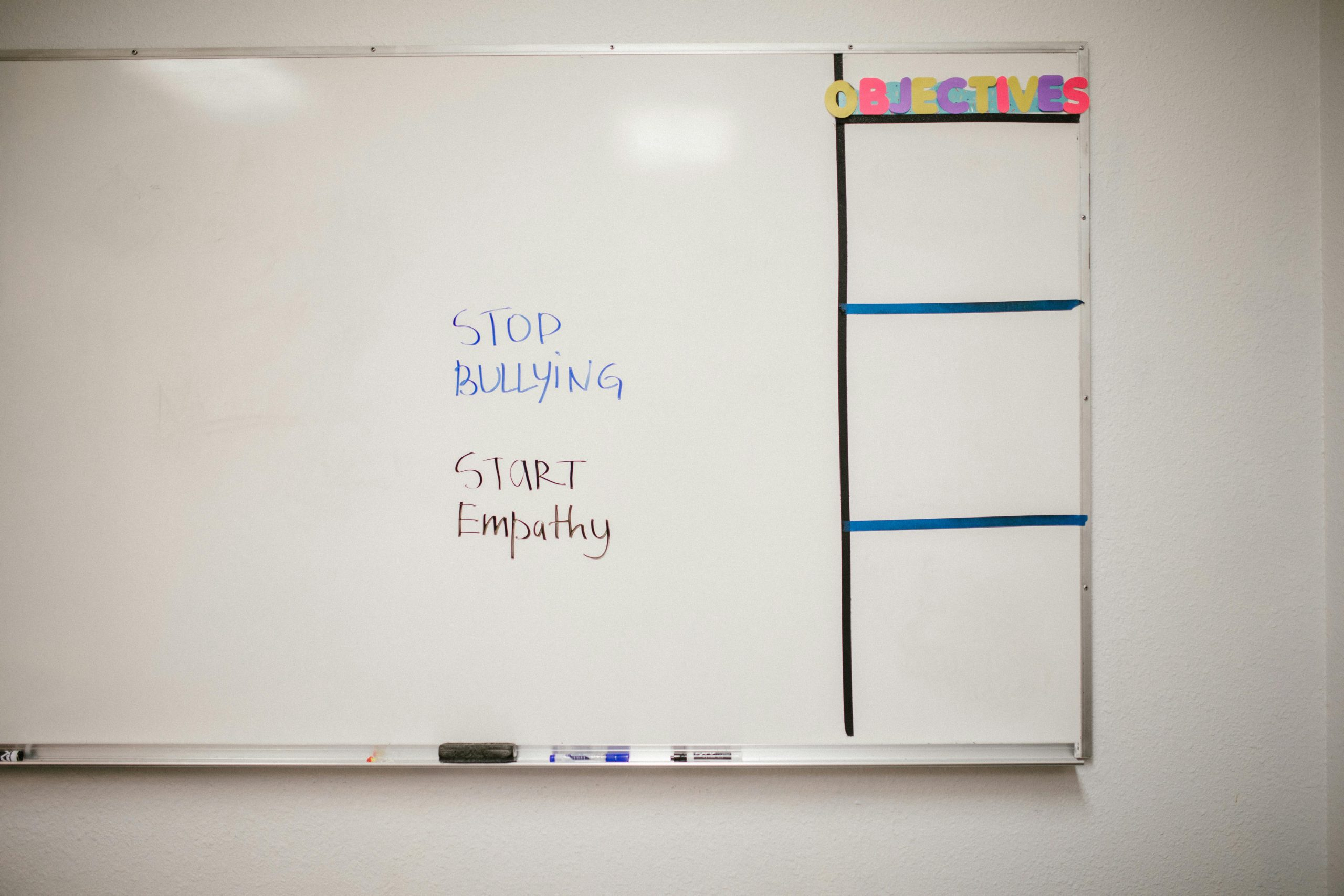
Understanding the Importance of Managing Classroom Behavior
No matter how well-planned and thought-out a lesson may be, it can all go to waste if the classroom behavior is not managed effectively. Disruptive behaviors can interrupt the flow of a lesson, lead to a loss of focus, and create a negative impact on the learning experience for both the teacher and the students. On the other hand, when classroom behavior is managed positively, it can foster a more conducive learning environment, promote better academic performance, and improve overall student engagement.
The Role of Positive Reinforcement
One of the most effective techniques for managing classroom behavior positively is through positive reinforcement. This involves acknowledging and recognizing students’ good behavior and efforts rather than just focusing on the negative behaviors. Positive reinforcement can be in the form of verbal praise, rewards, or privileges. By providing positive feedback, students are more likely to repeat the desired behavior, creating a cycle of positive reinforcement that promotes good classroom behavior.
Proactive Classroom Management
Another important technique to consider is proactive classroom management. This involves setting clear guidelines and expectations for behavior at the beginning of the school year or semester. Teachers can involve students in the process of creating these guidelines, making them more invested in following them. Proactive management also includes establishing routines and procedures for different classroom tasks, which helps maintain structure and reduces the likelihood of disruptive behaviors.
Creating a Positive Learning Environment
Creating a positive learning environment is crucial for managing classroom behavior effectively. When students feel safe, respected, and engaged, they are less likely to exhibit disruptive behavior. Teachers can foster a positive learning environment by being approachable and building positive relationships with their students. This includes actively listening to students, providing a supportive and encouraging atmosphere, and being responsive to students’ needs.
Effective Classroom Discipline Strategies
While positive reinforcement and proactive management can prevent most disruptive behaviors, there may still be instances where discipline is necessary. However, it is essential to approach discipline effectively, rather than simply reacting to bad behavior. Implementing consequences that are logical, reasonable, and consistent can be an effective way to correct unwanted behaviors without damaging the teacher-student relationship.
Encouraging Active Learning
Another way to manage classroom behavior positively is by encouraging active learning. When students are actively engaged in the lesson, they are less likely to become bored or disinterested, leading to disruptive behavior. This can be achieved through different teaching methods such as group activities, discussions, and hands-on learning, which can help keep students engaged, motivated, and focused.
Conclusion
In summary, effective techniques for managing classroom behavior positively include positive reinforcement, proactive classroom management, creating a positive learning environment, effective discipline strategies, and encouraging active learning. It is essential to understand that managing behavior is an ongoing process that requires consistent effort and patience. By implementing these strategies, teachers can create a more conducive and engaging classroom atmosphere that promotes positive behavior and ultimately leads to a better learning experience for their students.