Integrating Sustainability and Environmental Education into Schools
Education plays a crucial role in shaping the future of our planet. As our society becomes more aware of the impact of human activities on the environment, it is clear that the younger generation needs to be equipped with the knowledge and skills to build a sustainable future. One way to achieve this is by integrating sustainability and environmental education into schools. By incorporating these topics into the curriculum, we can inspire and empower young minds to become responsible global citizens. In this article, we will explore the importance of integrating sustainability and environmental education into schools and how it can be implemented.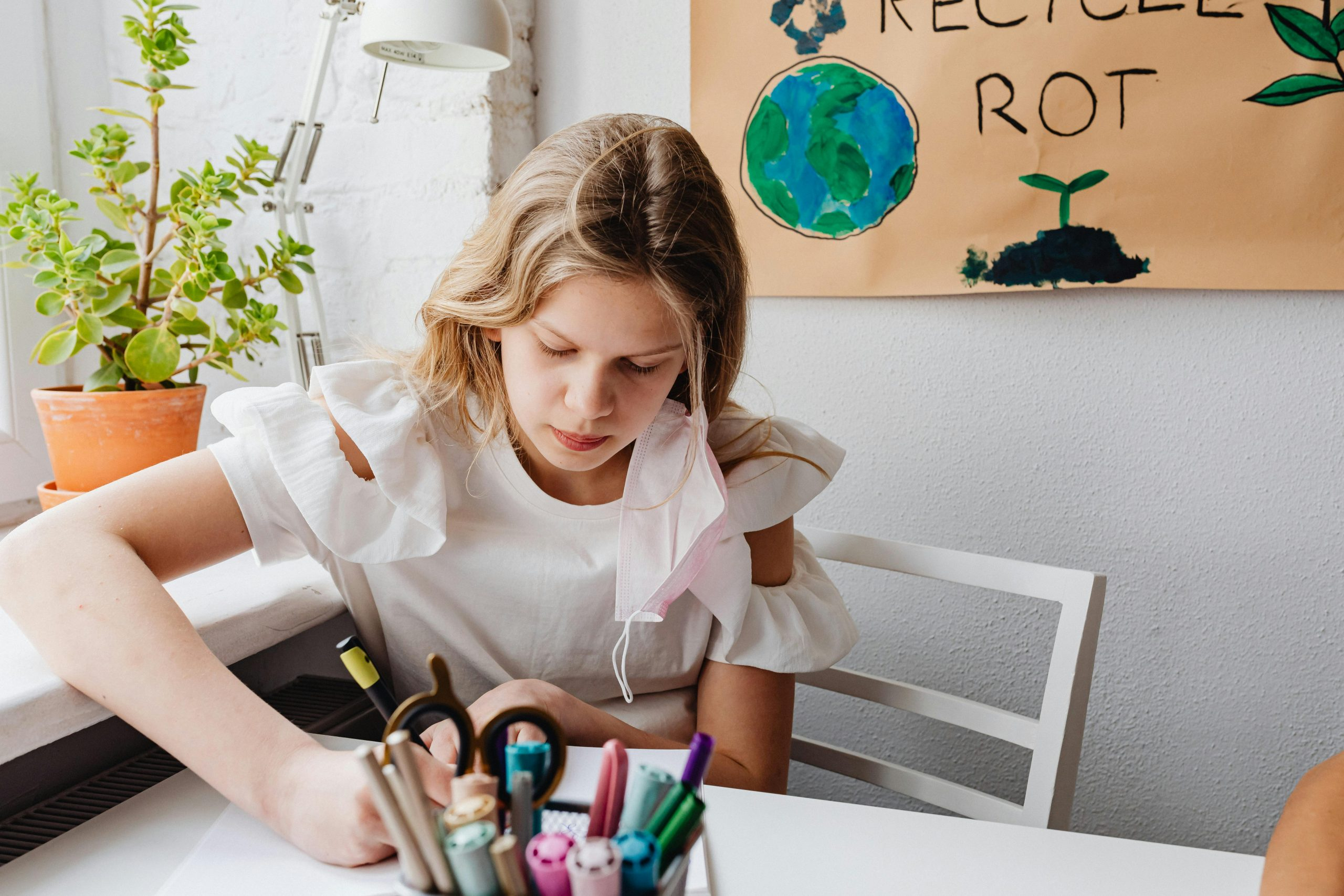
The Benefits of Integrating Sustainability and Environmental Education into Schools
1. Encourages Critical Thinking and Problem-Solving Skills
Integrating sustainability and environmental education into schools allows students to think critically and find solutions to complex problems. It teaches them to look at issues from different perspectives and evaluate the consequences of their actions on the environment. This fosters creativity and encourages students to find innovative ways to reduce their ecological footprint and make sustainable choices.
2. Raises Awareness and Responsibility
A lack of environmental awareness is one of the biggest challenges in today’s society. By incorporating sustainability and environmental education into schools, we can educate students about the current environmental issues and their impact on the planet. This creates a sense of responsibility and empowers students to take actions towards a more sustainable future.
3. Provides Hands-on Learning Opportunities
Integrating sustainability and environmental education into schools goes beyond just theoretical knowledge. It provides students with hands-on learning opportunities, such as outdoor activities and projects, to understand the real-life applications of sustainable practices. This not only enhances their understanding but also instills a sense of responsibility and appreciation for nature.
4. Prepares Students for the Future
The future will require individuals who possess the knowledge and skills to contribute to sustainable development. By integrating sustainability and environmental education into schools, we are preparing students to become future leaders, entrepreneurs, and decision-makers who are equipped to tackle environmental challenges.
Implementing Sustainability and Environmental Education into Schools
1. Curriculum Integration
The most effective way to integrate sustainability and environmental education into schools is by incorporating it into the curriculum. This can be done by introducing new subjects or embedding sustainable principles and practices into existing subjects, such as science, geography, and social studies. This will allow students to learn about sustainability in a structured and comprehensive manner.
2. Create Green Spaces
Schools can create green spaces within their premises to provide students with hands-on learning opportunities. These areas can be used for environmental projects, gardening, and other activities that promote sustainability. This not only enhances the learning experience but also beautifies the school environment.
3. Collaborate with Community Organizations
Collaborating with community organizations that focus on sustainability and environmental education can bring valuable resources and expertise to schools. These organizations can help schools organize interactive workshops, environmental projects, and field trips, allowing students to learn from professionals in the field.
4. Make Sustainable Choices
Schools can also lead by example and make sustainable choices within their operations. This can include implementing energy-efficient practices, reducing waste, and using eco-friendly materials. By doing so, schools can demonstrate their commitment to sustainability and inspire students to adopt similar practices in their daily lives.
Conclusion
The integration of sustainability and environmental education into schools is crucial for shaping the next generation of environmentally responsible individuals. By educating students about sustainability, we can instill a sense of responsibility, raise awareness, and prepare them for the future. Schools play a vital role in this journey, and it is essential to collaborate and make sustainable choices at all levels to create a more sustainable society. Let us work together to build a greener and healthier planet for future generations.