The Ethics of the Fashion Industry: Labor and Environmental Concerns
The fashion industry is one of the most prominent and powerful industries in the world, with an estimated global worth of 2.5 trillion dollars. From extravagant runway shows to high-end designer labels, fashion continues to dominate the media and our daily lives. However, behind the glitz and glamour, there are deep-rooted concerns regarding the ethical practices of the fashion industry. In this article, we will explore the labor and environmental concerns that plague the fashion industry and discuss the need for ethical practices in the ever-changing world of fashion.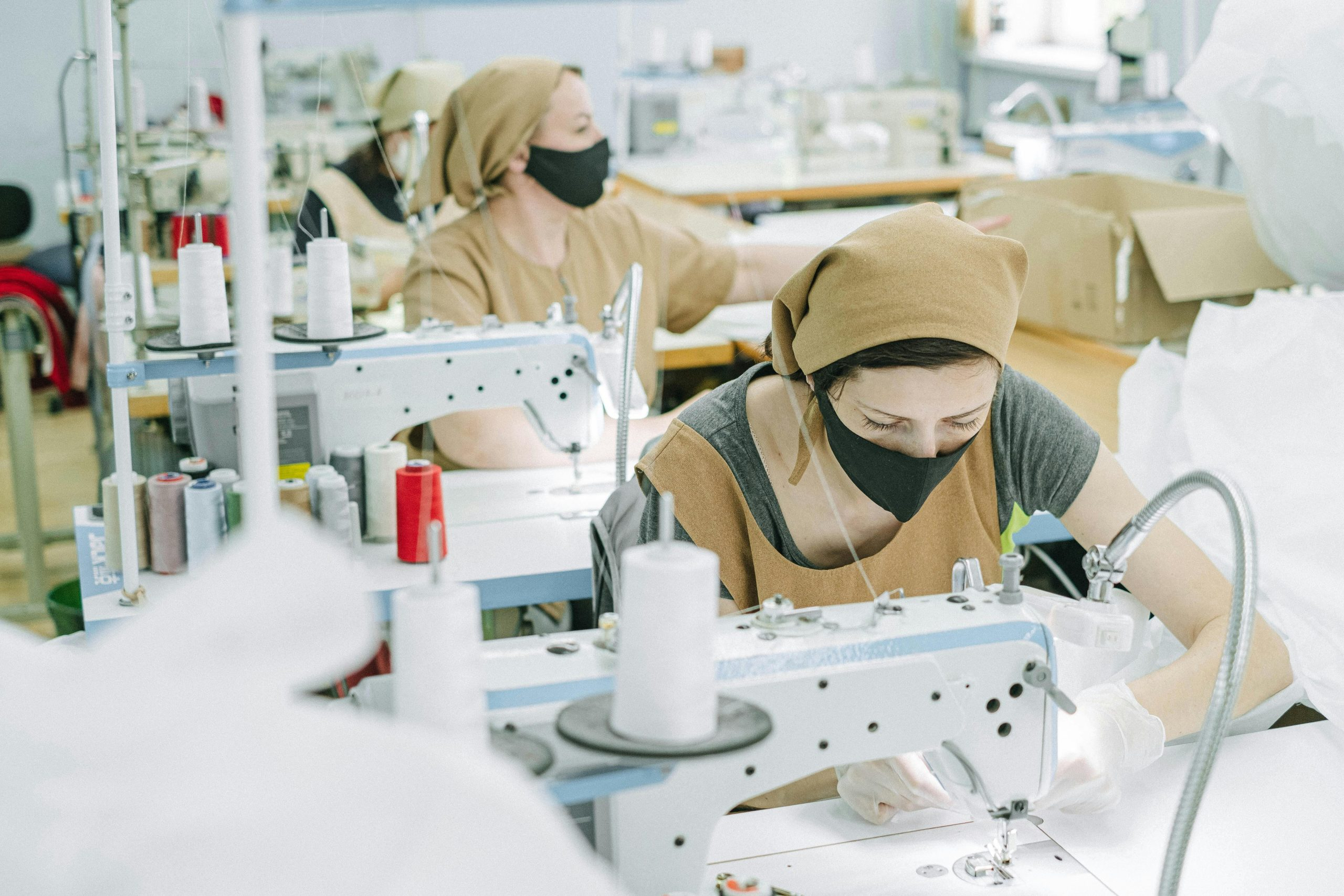
The Impact of the Fashion Industry on Labor
The fast-paced nature of the fashion industry has resulted in a high demand for cheap labor in order to keep up with the constant production of new and affordable clothing. This has led to the rise of sweatshops in developing countries, where workers, often women and children, are exploited for their cheap labor. Sweatshops are known for their unsafe working conditions, long hours, and extremely low wages, with workers sometimes earning less than a dollar a day.
In addition, the fashion industry also has a significant gender inequality problem, with the majority of garment workers being women. This gender-based discrimination is often paired with inhumane working conditions and unequal pay. The lack of unions and labor rights in developing countries further exacerbates the exploitation of these workers, leaving them with no voice or protection against unscrupulous employers.
The Need for Ethical Labor Practices
The fashion industry must take responsibility for the unethical treatment of its workers and take measures to ensure fair and safe labor practices. This includes providing fair wages, safe working conditions, and respecting the rights of all workers. Companies can do so by enforcing strict labor standards in their supply chains and holding their suppliers accountable for any violations. Furthermore, supporting fair trade and investing in socially responsible production can also help improve the lives of garment workers.
The Environmental Impact of the Fashion Industry
The fashion industry is also known for its harmful impact on the environment. The production of raw materials, such as cotton and leather, involves the use of large amounts of water, pesticides, and toxic chemicals. These not only harm the environment but also the health of workers and nearby communities. In addition, the fashion industry is responsible for a significant portion of the world’s greenhouse gas emissions, as well as the pollution of our oceans and landfills with textile waste.
The Need for Sustainable Practices
In recent years, there has been a growing trend towards sustainability in the fashion industry, with more and more companies adopting eco-friendly practices. This includes using sustainable materials, such as organic cotton and recycled fabrics, reducing water and chemical usage, and implementing ethical production processes. Consumers can also contribute to the movement by making conscious and sustainable fashion choices, such as buying from ethical and sustainable brands, and reducing their consumption of fast fashion.
The Way Forward: A Call for Change
The ethical concerns surrounding the fashion industry cannot be ignored any longer. It is imperative for all stakeholders, including fashion companies, consumers, and governments, to work together towards a more ethical and sustainable fashion industry. Companies need to prioritize the well-being of their workers and the environment over financial gains, consumers need to demand transparency and ethical practices, and governments need to enforce strict regulations to hold the industry accountable. Only then can we hope to create a fashion industry that is truly ethical and sustainable.
In conclusion, the fashion industry must address its labor and environmental concerns to truly embody the concept of ethical and sustainable fashion. It is time for the industry to prioritize the well-being of people and the planet over profit, and for us as consumers to make conscious choices that align with our values. Let us work together towards a fashion industry that is not only stylish but also ethical and sustainable.