The Psychology of Color in Retail Merchandising and Sales
Welcome to the world of retail merchandising and sales, where the colors you choose can have a significant impact on consumer behavior. As humans, we are visual beings and are naturally drawn to certain colors based on our personal preferences and how they make us feel. In the field of retail, understanding the psychology of color can be a powerful tool in enticing customers to make a purchase. Let’s dive into the fascinating world of color and how it relates to retail merchandising and sales.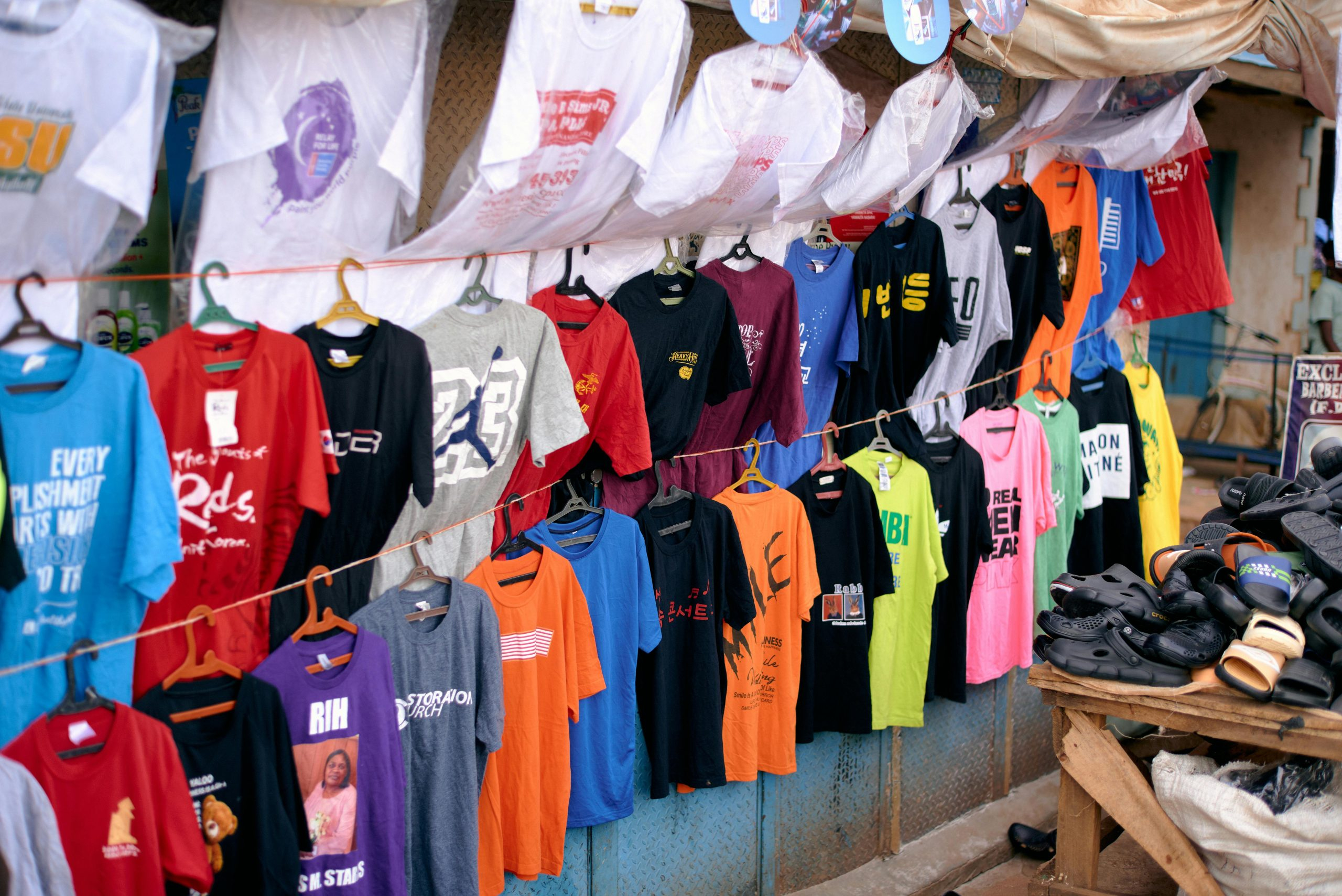
The Power of Color in Retail
From clothing stores to supermarkets, color is an important element in the world of retail. It can be used to attract attention, create a mood, and influence purchasing decisions. In fact, studies have shown that up to 90% of snap judgments made about products can be based on color alone. This makes it clear that color plays a significant role in retail merchandising and sales.
The Impact of Color on Emotions
When it comes to retail, the emotions evoked by different colors can greatly influence purchasing decisions. For example, warm colors such as red, orange, and yellow are known to evoke feelings of excitement and urgency, which can be beneficial for products that want to create a sense of urgency. On the other hand, cool colors like blue, green, and purple are associated with calmness and trust, making them a good choice for products that want to create a sense of trust and reliability.
The Role of Color in Branding
Color can also play a major role in brand recognition and identity. When consistently used, specific colors can be associated with a brand and help create a strong brand image. For example, when you think of Starbucks, the color green likely comes to mind. This is because they have consistently used green in their branding, creating a strong association between the color and their brand.
The Psychology of Color in Sales
In addition to its role in retail merchandise, color can also have a significant impact on sales. Choosing the right color can not only attract attention to products but also influence consumers to make a purchase.
The Power of Red
Red is often associated with passion and excitement, making it a popular choice in sales and promotions. This is because it can create a sense of urgency and stimulate appetite, making it a great option for food and beverage products. Studies have also shown that using red in clearance sales can increase sales and create a sense of urgency in customers.
The Calming Effect of Blue
As mentioned earlier, blue is associated with calmness and trust, making it a great option for products that want to create a strong sense of trust in consumers. This is why you often see healthcare and financial institutions using blue in their branding. It can also be a beneficial color to use in sales as it can create a feeling of security and reliability in customers.
The Excitement of Orange
Orange is a warm color that is often associated with excitement and enthusiasm. This makes it a popular choice in retail for products related to entertainment or fun. It can also be used to create a sense of affordability and value, making it a great color to use in sales and promotions.
Using Color in Retail Merchandising
Apart from branding and sales, color can also play a significant role in retail merchandising. The way products are displayed, and the colors used can greatly influence consumer behavior.
Creating Eye-Catching Displays
Using bright and bold colors in product displays can attract attention and entice customers to make a purchase. This is why it is common to see product displays in retail stores using vibrant colors to showcase new or popular products.
The Power of Color Coordination
One effective way to use color in retail merchandising is through color coordination. When products are displayed together in a visually appealing way, it can create a sense of cohesion and make customers more likely to purchase multiple items. For example, a clothing store may use different shades of the same color to create a visually pleasing display that showcases the color variety of a particular product.
Using Color in Packaging
Color can also play a major role in packaging, especially in the food and beverage industry. The right color can make a product stand out on the shelves and entice customers to choose it over competitors. It can also be used to communicate certain messages, such as green being associated with natural or organic products.
In Conclusion
Understanding the psychology of color in retail merchandising and sales is crucial for any business looking to make a successful impact in the competitive retail market. Whether it’s through branding, sales, or merchandising, the right use of color can make all the difference in attracting and retaining customers. So the next time you’re choosing the color scheme for your store or product, remember the emotions and messages you want to convey and choose your colors wisely.